Schema Markup for Local Service Pages
The markup patterns that strengthen local relevance and trust.
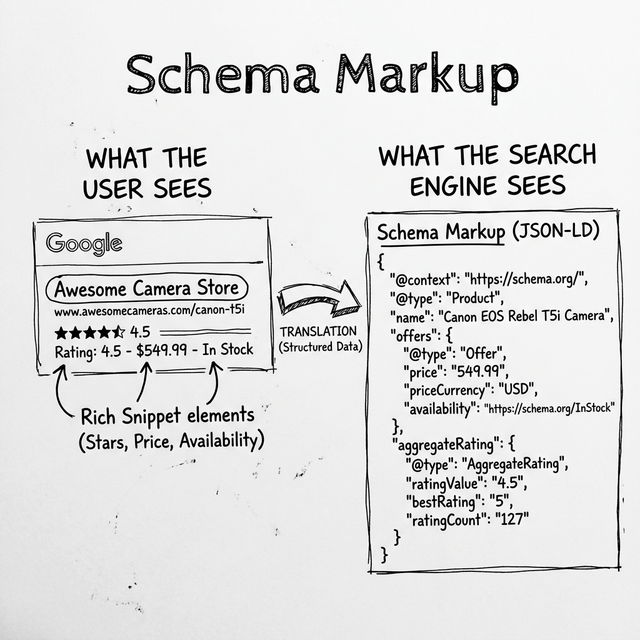
Schema markup works when it reflects real page intent and real business details. Start with LocalBusiness, then layer Service, FAQ, and Review schema only where the content actually supports those claims. Avoid boilerplate stuffing because mismatched markup can reduce trust signals instead of improving them. For local service pages, clean schema helps search engines understand location relevance, service scope, and authority context faster.
This keeps your profile relevant for both map visibility and conversion confidence. If you are targeting multiple suburbs, validate that each page and listing reflects real service coverage and response times. That clarity helps both Google and potential customers trust what they are seeing. Over time, this compounds into better lead quality, not just more impressions.
Profiles that are updated weekly with relevant media, accurate service areas, and fast review responses usually maintain visibility longer than profiles that react only after rankings dip. A practical local routine includes verifying categories, publishing useful posts, and auditing location-page alignment every week. This keeps both relevance and trust signals fresh, which improves ranking resilience and lead quality over time. Google Business Profile optimization should be treated like a conversion asset, not just a listing.
Every field should support intent clarity: service descriptions, business hours, appointment methods, and geographic coverage. When those fields are incomplete or outdated, users hesitate and rankings become fragile. Businesses that keep these details current typically see better click-through rates and stronger downstream conversion behavior from map traffic. Review velocity is one of the strongest local trust indicators.
Instead of requesting reviews in random batches, use a predictable post-service request sequence linked to real customer milestones. Then respond to every review with useful context, not canned replies. This process demonstrates operational reliability to both users and search systems. Over time, stronger review cadence and response quality create a trust moat that is hard for new entrants to match quickly.